The Ultimate Guide to Sourcing Genuine Exotic Leather for Fashion Accessories

Finding authentic exotic leather for handbags, shoes, belts, and jackets can be a challenging task. The market is flooded with imitations and low-quality materials that fail to deliver the durability and unique look genuine exotic leather offers. For leather makers aiming to create standout fashion accessories, sourcing the right exotic skins is essential. This guide walks you through the key steps, tips, and considerations to help you procure genuine exotic leather confidently and responsibly.
Understanding Exotic Leather Types
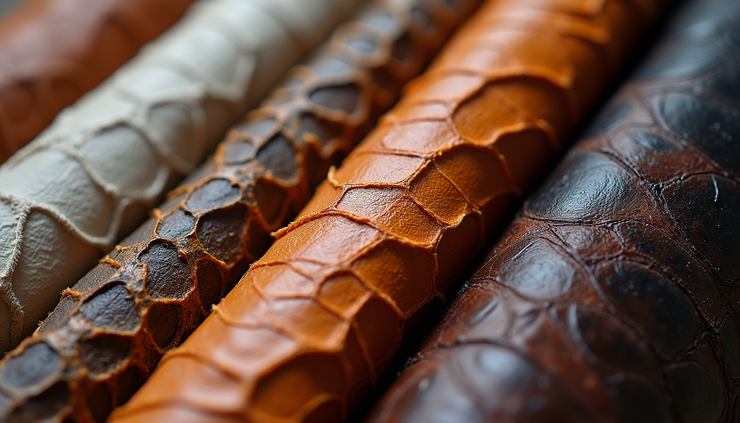
Exotic leather comes from animals not commonly used in mainstream leather production. Each type has distinct characteristics that influence its appearance, feel, and durability. Knowing these differences helps you select the best leather for your product.
Alligator and Crocodile: Known for their distinctive scale patterns, these leathers are highly durable and luxurious. Alligator leather tends to have more uniform scales, while crocodile scales vary more in size.
Ostrich: Recognizable by its quill follicle pattern, ostrich leather is soft, flexible, and strong. It is often used for high-end handbags and jackets.
Python and Other Snakes: Snake leather features unique scale patterns that can be quite striking. Python is the most popular, prized for its flexibility and exotic look.
Lizard: Smaller scales than snakes, lizard leather offers a subtle texture and is often used for belts and small accessories.
Stingray: Known for its pebbled texture and natural shine, stingray leather is extremely tough and water-resistant.
Each type requires different handling and finishing techniques, so understanding the material is crucial before sourcing.
Where to Source Genuine Exotic Leather
Finding reliable suppliers is the foundation of obtaining authentic exotic leather. Here are some common sourcing channels:
Tanneries Specializing in Exotic Leather
Established tanneries with a reputation for exotic skins often provide the best quality. They usually offer certificates of authenticity and comply with international regulations.
Authorized Distributors and Wholesalers
These suppliers buy directly from tanneries or farms and resell to leather makers. Look for distributors with transparent sourcing policies and good reviews.
Direct from Farms or Ranches
Some exotic leathers come from farms that raise animals specifically for leather production. This route can offer traceability and ethical sourcing but may require larger orders.
Trade Shows and Leather Fairs
Events like the Lineapelle in Italy or the American Leather Show provide opportunities to meet suppliers, inspect leather quality firsthand, and negotiate deals.
Verifying Authenticity and Compliance
Due to the high value of exotic leather, counterfeit products are common. To avoid fraud and legal issues:
Request CITES permits (Convention on International Trade in Endangered Species) for species regulated under this treaty.
Ask for certificates of origin and tanning process details.
Inspect the leather for natural irregularities and scale patterns that are hard to replicate.
Work with suppliers who provide sample pieces before committing to large orders.
Factors to Consider When Procuring Exotic Leather
When selecting exotic leather for your fashion accessories, consider these factors:
Quality and Grade
Look for full-grain leather with minimal scars or defects. Higher-grade leather lasts longer and ages better.
Size and Thickness
Depending on the product, you may need larger hides or thinner cuts. For example, handbags require flexible leather, while belts need thicker, more rigid material.
Color and Finish
Exotic leather can come in natural shades or dyed colors. Some finishes enhance durability or add shine but may affect the leather’s breathability.
Price and Budget
Exotic leather is expensive due to rarity and processing costs. Balance quality with your budget, and consider the final product’s price point.
Ethical and Sustainable Sourcing
Increasingly, consumers demand ethically sourced materials. Choose suppliers who follow humane practices and environmental regulations.
Tips for Working with Exotic Leather
Exotic leather requires special care during cutting, stitching, and finishing:
Use sharp tools to avoid damaging delicate scales.
Avoid excessive stretching to prevent scale separation.
Use specialized adhesives and threads designed for exotic skins.
Test finishes on small samples to ensure colorfastness and texture preservation.
Case Study: Sourcing Alligator Leather for Handbags
A boutique leather maker wanted to create a limited edition alligator handbag line. They started by researching tanneries in Louisiana, USA, known for alligator farming. After contacting several suppliers, they chose one that provided:
Verified CITES documentation
Full-grain, hand-selected hides with uniform scale patterns
Custom dyeing options to match their brand colors
They ordered sample hides first to test cutting and stitching techniques. The supplier also offered guidance on care instructions for customers. This approach ensured the handbags were authentic, high quality, and legally compliant.
Common Challenges and How to Overcome Them
High Costs
Exotic leather is costly. To manage expenses, buy in bulk or negotiate long-term contracts with suppliers.
Supply Chain Delays
International shipping and customs can slow delivery. Plan orders well in advance and work with suppliers who communicate clearly.
Legal Restrictions
Some exotic leathers face import/export restrictions. Stay updated on regulations and work with suppliers who handle paperwork.
Quality Variability
Natural materials vary. Inspect each batch carefully and maintain good relationships with trusted suppliers.
Final Thoughts on Sourcing Genuine Exotic Leather
Sourcing genuine exotic leather requires research, patience, and attention to detail. By understanding the types of leather, verifying authenticity, and choosing the right suppliers, leather makers can create unique, high-quality fashion accessories that stand out. Ethical sourcing and proper handling ensure your products not only look great but also respect animal welfare and legal standards.
Start by identifying the exotic leather that fits your product vision, then connect with reputable suppliers. Test samples and learn the best crafting techniques to bring out the leather’s natural beauty. With the right approach, your leather accessories will reflect true craftsmanship and genuine exotic appeal.


Comments